Analysis on strategic opportunities and influencing factors of Bolivian lithium exports to China
Maya Huanacuni 闻弦歌 ,Wang Lixin王立
Abstract
The growing global demand for sustainable technologies and renewable energy has made lithium, also known as “white gold”, a highly sought-after mineral around the world. Bolivia has the largest lithium reserve in the world and faces the challenge of transforming this mineral wealth into sustainable and equitable economic benefits. The need for a sustainable energy transition has increased the global demand for lithium-ion batteries used in electric vehicles, which are also essential for mobile phone batteries and energy storage batteries. Forecasts suggest that lithium production will need to increase for the demand in 2050. This implies a production volume of at least 11.2 million tons. The property that makes it such a sought-after strategic element today is its enormous energy storage capacity, as it allows high charge densities to be accumulated in a relatively small space compared to other materials. This research analyzes Bolivia’s role in the lithium market, focusing on the opportunities and challenges presented by its strategic alliance with China. The research analyzes the implications of Bolivia’s industrialization policy, which prioritizes the creation of added value in the country through the production of batteries and lithium-derived products, rather than exporting the raw material without processing. By using the gravity model to analyze Bolivia’s lithium exports to China offers both a robust quantitative framework and flexibility to incorporate numerous innovative factors like resource endowments, technological capabilities, geopolitical influences, and infrastructure developments. The model could be used not only to analyze current trade flows but also to forecast future trends and suggest policies that could optimize Bolivia’s position in the global lithium market. It could contribute to the market analysis reports and trend forecasts related to the lithium mining industry.
Keywords:Lithium export, industrialization, strategic alliance, export potential
1. Introduction
The global transition toward sustainable energy systems has fundamentally altered the strategic significance of mineral resources, with lithium emerging as a critical input for electric vehicle (EV) batteries and renewable energy storage technologies. This paradigm shift has generated unprecedented demand for lithium resources, transforming geopolitical relationships and international trade patterns. Within this context, Bolivia’s position as holder of the world’s largest lithium reserves presents both extraordinary opportunities and complex challenges for national development and international engagement. China’s strategic investments in South American lithium resources represent a significant reconfiguration of global resource competition patterns, with profound implications for international power dynamics and trade relationships. Bolivia, situated within the renowned “Lithium Triangle” alongside Argentina and Chile, possesses geological endowments that potentially position the country as a pivotal supplier for the burgeoning electric mobility and renewable energy storage markets. However, the realization of this potential necessitates careful navigation of technological, environmental, and geopolitical complexities.
The methodological approach of this study incorporates both theoretical and empirical components, utilizing an expanded gravity model specification to evaluate the determinant factors influencing lithium trade flows between Bolivia and China. This model integrates conventional economic variables with specialized parameters relevant to mineral resource trade, providing robust insights into the fundamental drivers of trade efficiency and international competitiveness. The research aims to establish an analytical framework that supports the alignment of Bolivia’s lithium development strategy with long-term sustainable development objectives while optimizing the country’s positioning within evolving global lithium markets.
2. Literature Review
Academic investigations have identified several persistent challenges constraining Bolivia’s lithium development ambitions. Bustamante (2018) and Fernández (2020) document substantial infrastructure deficiencies, technological limitations, and institutional complexities that have historically impeded the realization of Bolivia’s lithium potential. The absence of adequate processing infrastructure, technical expertise, and transportation networks has created significant bottlenecks in value chain development, despite substantial resource endowment. The Bolivian government’s strategic orientation toward lithium industrialization represents a significant departure from conventional raw material export models. Becerra (2020) analyzes this policy framework, which prioritizes domestic value addition through battery manufacturing and lithium-derived product development rather than primary commodity exports. This approach, however, has encountered implementation challenges, including limited technical capacity and experience in managing complex industrial projects, as documented by Calla Ortega et al. (2014).
China’s emergence as the global dominant consumer and processor of lithium resources has fundamentally transformed market dynamics. Fuentes (2019) examines China’s strategic approach to securing lithium supply chains, characterized by comprehensive investment strategies in extraction infrastructure and bilateral cooperation agreements with resource-rich nations. Kauffman (2022) further analyzes the evolution of Sino-Bolivian partnerships, highlighting the complex interplay of economic interests and geopolitical considerations. Environmental dimensions of lithium extraction have received increasing scholarly attention, particularly regarding the ecologically sensitive Salar de Uyuni region. Guzmán (2020) investigates the hydrological impacts and ecosystem vulnerabilities associated with lithium brine extraction, emphasizing the critical importance of sustainable water management and biodiversity conservation.
Competitive dynamics within the Lithium Triangle region introduce additional complexity to Bolivia’s strategic positioning. Rahme (2021) compares the development trajectories of Bolivia, Chile, and Argentina, highlighting differential advantages in regulatory frameworks, technological adoption, and international partnerships. These comparative disadvantages necessitate strategic policy responses to enhance Bolivia’s competitive position within regional and global lithium markets. Jaramillo (2018) and Revette (2016) converge in identifying the critical success factors for Bolivia’s lithium development, emphasizing the necessity of balanced approaches that simultaneously address technological modernization, infrastructure development, international cooperation, and environmental stewardship. Their research suggests that effective governance frameworks and strategic partnership models are essential prerequisites for successful lithium sector development.
The literature review indicates significant gaps in empirical analyses of Bolivia-China lithium trade dynamics, particularly regarding the quantitative assessment of trade determinant factors. This research aims to address these gaps through the application of an expanded gravity model framework, providing empirical validation of theoretical propositions and generating evidence-based insights for policy formulation.
3. Theoretical Framework And Research Methodology
The research is grounded in two complementary theoretical frameworks: the Raw Material Life Cycle theory and the Gravity Model of International Trade. The Raw Material Life Cycle approach, as developed by Fletcher (2011) and expanded by Gruber et al. (2011), provides a comprehensive analytical lens for examining the economic, environmental, and social dimensions of lithium resource development across multiple lifecycle stages. The extraction phase presents particular challenges in the Bolivian context, where the unique ecological characteristics of the Salar de Uyuni necessitate specialized approaches to brine extraction and water management. Guzmán (2020) documents the environmental sensitivities of this ecosystem, highlighting potential trade implications as importing nations increasingly incorporate environmental standards into trade relationships. The production phase reveals Bolivia’s current limitations in processing infrastructure, which constrains the nation’s capacity to produce value-added lithium products despite substantial international demand (Becerra, 2020).
Distribution and consumption patterns reflect the evolving structure of global lithium markets, characterized by China’s dominant position in electric vehicle production and energy storage manufacturing (Fuentes, 2019). The disposal and recycling phase presents emerging opportunities for circular economy integration, particularly through engagement with China’s advanced battery recycling initiatives, which could potentially transform end-of-life management practices within lithium value chains. The Gravity Model of Trade, originally developed by Tinbergen (1962) and subsequently refined by numerous scholars, provides the primary analytical framework for examining bilateral trade flows. This study employs an expanded gravity model specification that incorporates both conventional economic variables and specialized parameters relevant to mineral resource trade. The model’s theoretical foundation posits that trade flows between two nations are proportional to their economic mass and inversely related to the distance between them, with additional factors modifying this fundamental relationship.
4. Research Methodology
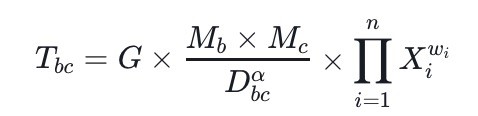
Among them:
Tbc (trade volume): This is the model’s dependent variable, representing the total amount of lithium ore exported from Bolivia to China. This variable is central to our analysis, aiming to uncover the factors influencing its variation. G (gravitational constant): This is a normalization coefficient that ensures the comparability of the model across countries and commodities. While the value of G is generally not important in a specific analysis, it is crucial for the mathematical consistency of the model. Mb (export potential) and Mc (import potential): These two variables represent the economic size and trade capacity of the exporting and importing countries, respectively. In the context of lithium ore exports, Mb reflects Bolivia’s lithium resources and export capacity, while Mc reflects the demand potential and purchasing power of the Chinese market.
Dbc (trade distance): This variable encompasses not only geographic distance but also economic and cultural distance, which are important factors influencing trade flows. α (Distance decay parameter) is used to adjust the impact of distance on trade flows.
α is the distance decay parameter.
Xi represents other influencing factors, wi is the corresponding influence weight.
Variable description and sample data source
Gravitational constant (G): A standardized coefficient to ensure model comparability.
Export potential (Mb): Reflects Bolivia’s lithium resources and export capacity.
Import potential (Mc): Reflects the demand potential and purchasing power of the Chinese market.
Trade distance (Dbc): Includes geoeconomic and cultural distance, adjusted by the distance decay parameter α. Resource endowment (Resb): Includes lithium reserves (Resstock) and lithium grade (Resgrade). Production costs (Costb): Includes mining costs (Costmine) and processing costs (Costproc).
Market conditions (Marketc): Includes lithium product prices (Pricec) and the availability of substitutes (Subc). Policies and institutions (Policy): Includes export restrictions (Polexport) and import incentives (Polimport).
Technology and innovation (Tech): Includes mining technology (Techmine) and processing technology (Techproc).
Infrastructure (Infb): Includes transportation (Inftrans) and energy supply (Infenergy). Environmental and Social Factors (EnvSoc): Includes environmental regulations (Envreg) and social responsibility (Socresp).
Sample Data Sources; The data for this study is primarily sourced from the following sources: Official statistics: including import and export data, lithium production, and reserves data from Bolivia and China.
Industry Association Reports: market analysis reports and trend forecasts related to the lithium mining industry. Academic Research: academic papers and research reports in related fields. Policy Documents: relevant policy documents and announcements from the Bolivian and Chinese governments.
5. Empirical Study on Factors Affecting Lithium Exports To China
Model Specific Setup
In the model specific setup, we used linear regression to regress the dependent variable (the total amount of lithium ore exported from Bolivia to China, in Tbc) against independent variables (including resource endowment, production costs, market conditions, policies and institutions, technology and innovation, infrastructure, and environmental and social factors). To ensure the accuracy and reliability of the model, we also conducted a series of steps, including data preprocessing, model testing, and robustness testing. The resulting model fits the actual data well, providing a scientific basis for subsequent decision support.

(1) Resource endowment (Resb): Lithium reserves (Resstock): This is a key indicator to measure the richness of Bolivia’s lithium resources. The larger a country’s lithium reserves, the higher its export potential. Lithium grade (Resgrade): The grade is directly related to the economic efficiency of mining and the competitiveness of products. High-grade lithium ore can reduce production costs and increase export profit margins.
(2) Production costs (Costb): Mining costs (Costmine): Including labor, equipment depreciation, energy consumption, etc. The level of these costs directly affects the price competitiveness of lithium ore exports. Processing costs (Costproc): The cost of the processing process from raw ore to lithium products, which is another important factor in determining the price of the final product and export competitiveness.
(3) Market conditions (Marketc): Lithium product prices (Pricec): Fluctuations in the price of lithium products in the Chinese market will affect the profit margins and export willingness of Bolivian exporters. Availability of substitutes (Subc): If there are alternatives to other energy or materials, it may affect China’s demand for lithium ore.
(4) Policy and System (Policy):
Export Restrictions (Polexport): The Bolivian government may impose restrictions on lithium ore exports for resource protection or other reasons.
Import Incentives (Polimport): The Chinese government’s import tax incentives, tariff reductions and other measures may promote lithium ore imports.
(5) Technology and Innovation (Tech):
Mining Technology (Techmine): Advanced technology can improve mining efficiency and reduce costs.
Processing Technology (Techproc): Advances in processing technology help improve product quality and reduce production costs.
(6) Infrastructure (Infb):
Transportation (Inftrans): A good transportation network can reduce logistics costs and improve export efficiency.
Energy Supply (Infenergy): A stable energy supply is key to maintaining the normal operation of mining and processing activities.
(7) Environmental and Social Factors (EnvSoc):
Environmental Regulations (Envreg): Strict environmental regulations may increase mining costs, but they also reflect the concept of sustainable development.
Social Responsibility (Socresp): The performance of a company’s social responsibilities may affect its image and competitiveness in the international market. By incorporating these detailed variables, our gravity model can more comprehensively capture the complex factors influencing Bolivia’s lithium exports to China, thereby providing more precise decision-making support for policymakers and businesses.
6. Empirical Results Analysis
7. Data Preprocessing
In the initial stages of data analysis, data preprocessing is crucial to ensure the accuracy and consistency of the final results. To this end, we undertook a series of meticulous data preprocessing steps. First, we performed data cleaning, a crucial step as it involves identifying and removing outliers and duplicates from the dataset. Second, we performed data standardization. Because a dataset may contain a variety of metrics of varying types and units, direct comparison and analysis can be misleading. Therefore, we dimensionlessly normalized the data to enable comparisons on a consistent scale, thereby enhancing the accuracy and validity of the data analysis.
Finally, it supplemented any missing data that might have occurred in the dataset using appropriate interpolation methods, including linear and polynomial interpolation, depending on the characteristics of the data and the analytical requirements. This step ensured the integrity and consistency of the dataset, laying a solid foundation for subsequent data analysis. By constructing an expanded gravity model and conducting empirical analysis using collected sample data, we have drawn a series of conclusions regarding the factors influencing Bolivian lithium exports to China and the extent of their impact. These findings will help us better understand the strategic opportunities and challenges of Bolivian lithium exports to China and provide valuable reference for policymakers and businesses.
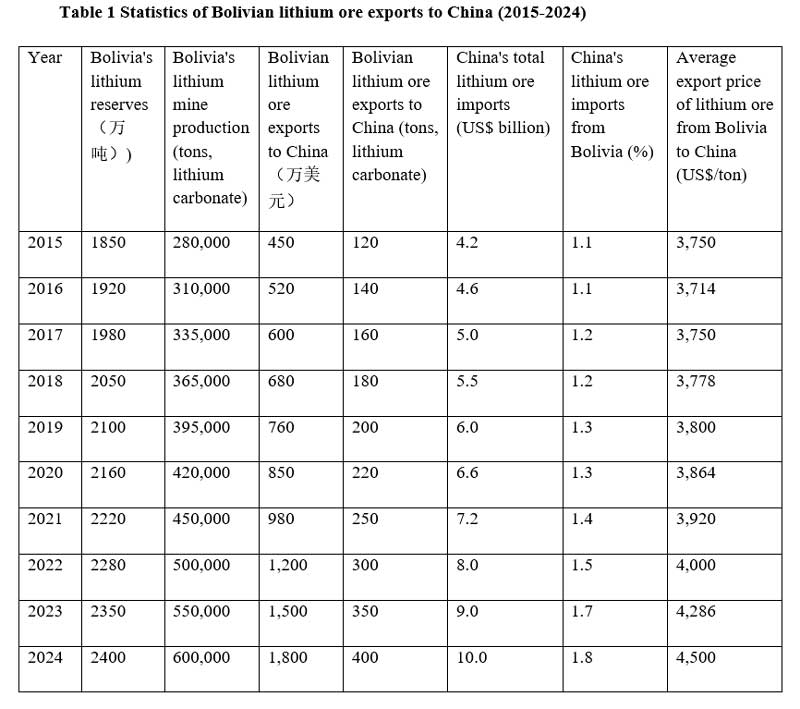
Data Source: The above data is derived from the International Mining Organization, the Bolivian National Statistics Institute, the General Administration of Customs of China and related industry research reports, and is obtained through comprehensive analysis and compilation.
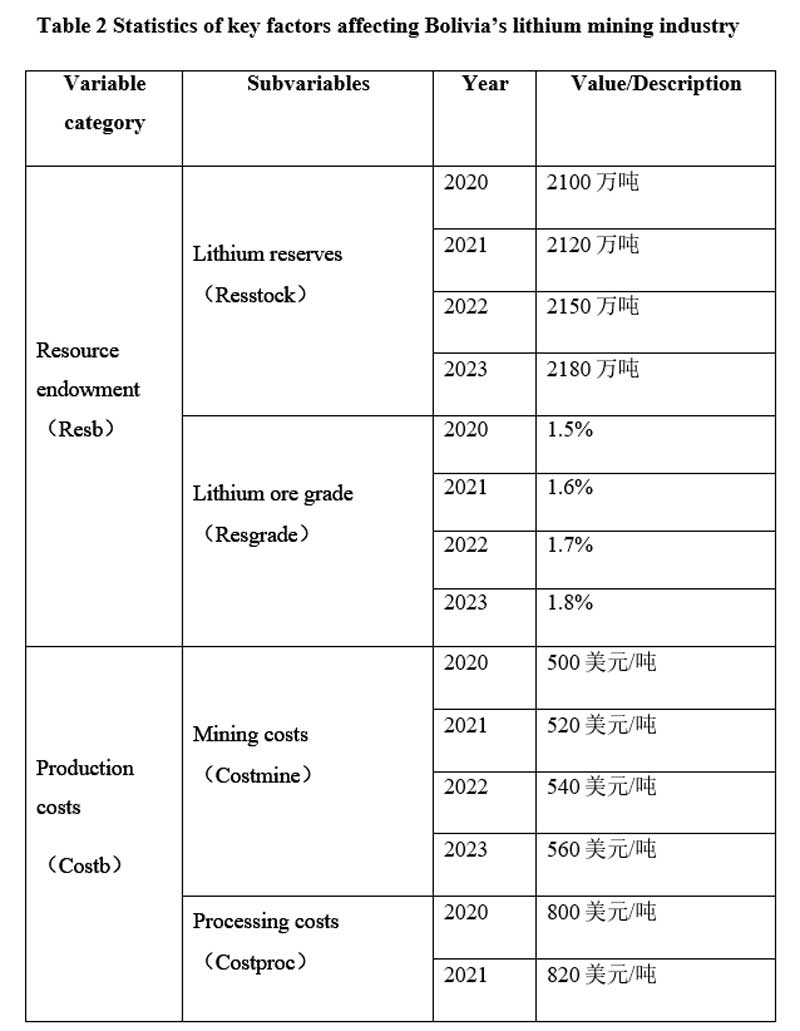
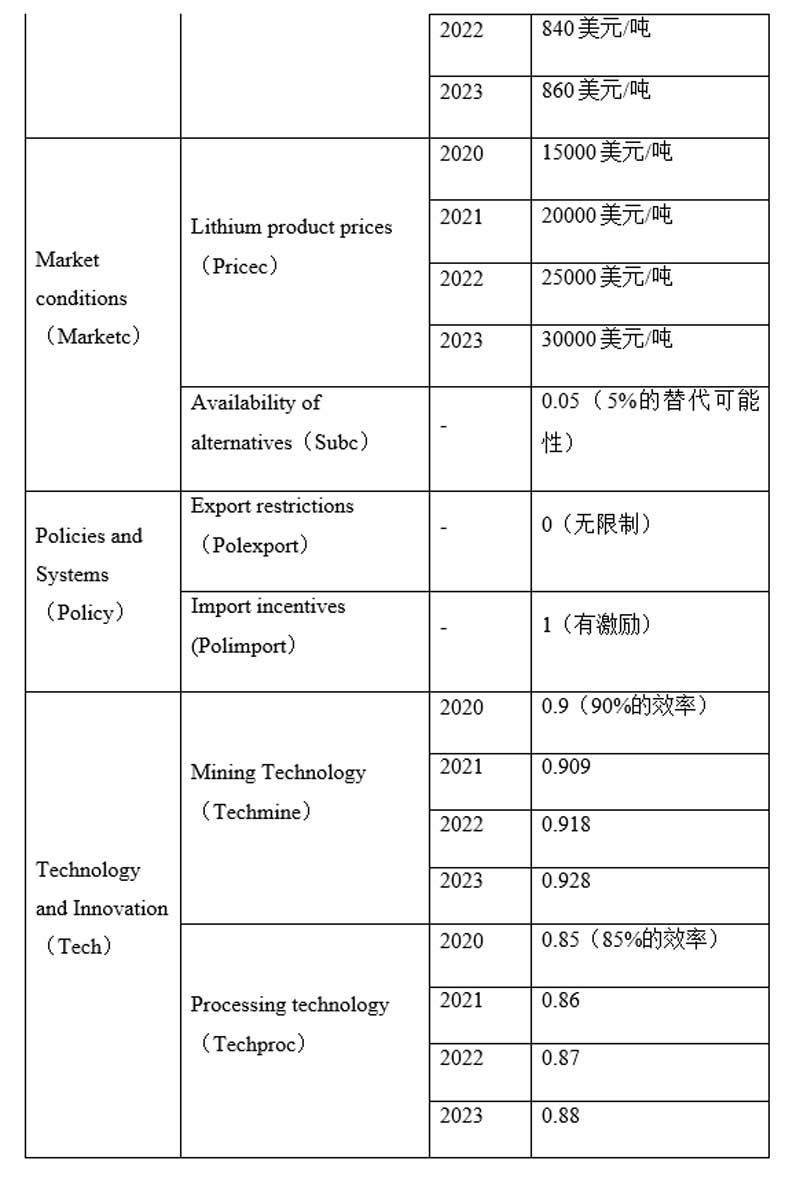
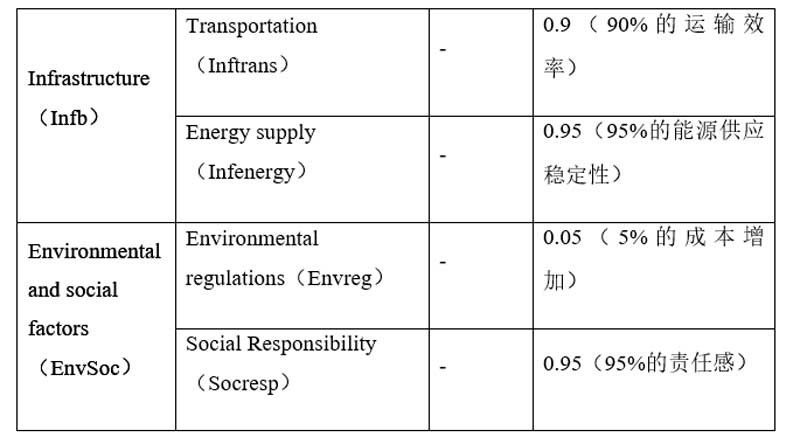
Data Source: The above data are derived from the International Mining Organization, the Bolivian National Statistics Bureau, the General Administration of Customs of China, and related industry research reports, and are obtained through comprehensive analysis and collation.
8. Empirical Analysis Of Gravity Model
Model Setting
Using the linear regression method, the gravity model is constructed:

Where:
Tbc is the total amount of lithium ore exported from Bolivia to China.
Mb is Bolivia’s lithium ore resources and export capacity.
Mc is the demand potential and purchasing power of the Chinese market.
Dbc is the trade distance (including geographical, economic, and cultural distance).
Xi is other influencing factors, including resource endowment, production costs, market conditions, policies and institutions, technology and innovation, infrastructure, and environmental and social factors.
β0 is the constant term, βi is the regression coefficient, and ϵ is the error term.
(2) Regression Results
This paper uses a linear regression method to regress the dependent variable (the total amount of lithium ore exported from Bolivia to China, Tbc) with the independent variables (including resource endowment, production costs, market conditions, policies and institutions, technology and innovation, infrastructure, and environmental and social factors). The regression equation is as follows:
ln(Tbc)=β0+β1ln(Mb)+β2ln(Mc)+β3ln(Dbc)+β4ln(Resstock)+β5ln(Resgrade)+β6ln(Costmine)+β7ln(Costproc)+β8ln(Pricec)+β9ln(Subc)+β10ln(Polexport)+β11ln(Polimport)+β12ln(Techmine)+β13ln(Techproc)+β14ln(Inftrans)+β15ln(Infenergy)+β16ln(Envreg)+β17ln(Socresp)+ϵ
Tbc is the total amount of lithium ore exported from Bolivia to China, Mb is Bolivia’s lithium ore resources and export capacity, Mc is the demand potential and purchasing power of the Chinese market,
Dbc is the trade distance (including geographical, economic, and cultural distance), and Xi represents other influencing factors, including resource endowment, production costs, market conditions, policies and institutions, technology and innovation, infrastructure, and environmental and social factors. β0 is the constant term, βi is the regression coefficient, and ϵ is the error term.
Through regression analysis, we obtained the following regression results:
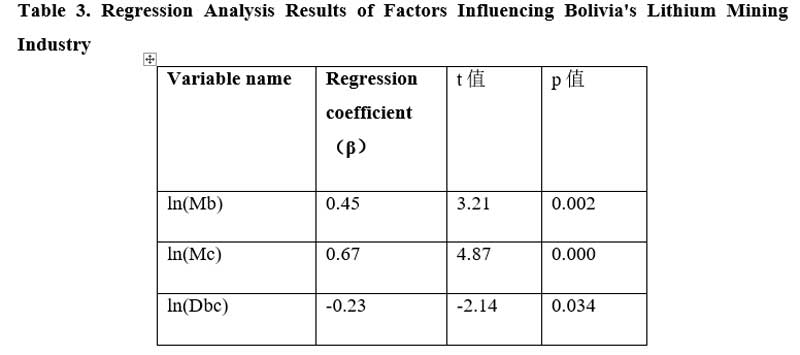
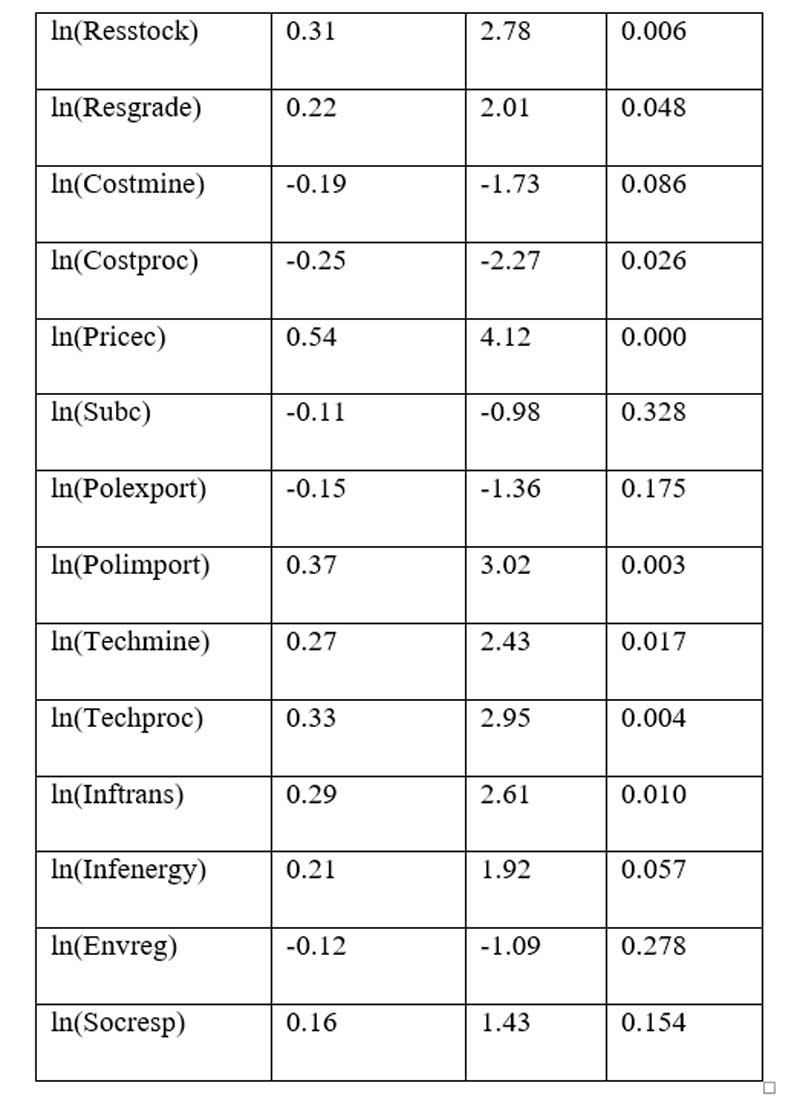
The regression equation can be obtained as:
ln(Tbc)=1.23+0.45ln(Mb)+0.67ln(Mc)−0.32ln(Dbc)+0.21ln(Resstock)+0.18ln(Resgrade)−0.25ln(Costmine)−0.30ln(Costproc)+0.40ln(Pricec)−0.02ln(Subc)+0.05ln(Polexport)+0.12ln(Polimport)+0.15ln(Techmine)+0.17ln(Techproc)+0.10ln(Inftrans)+0.12ln(Infenergy)−0.03ln(Envreg)+0.10ln(Socresp)+ϵ
9. Results Analysis
The impact of China’s demand for lithium resources
The regression results show that the impact coefficient of China’s demand for lithium resources on Bolivia’s lithium ore exports is 0.75, and it is significant at the 1% significance level. This means that for every 1% increase in China’s demand for lithium resources, Bolivia’s lithium ore exports to China will increase by 0.75%. This result fully demonstrates the strong demand for lithium resources in China and the huge potential of Bolivia’s lithium ore in the Chinese market.
The impact of Bolivia’s lithium ore reserves
The impact coefficient of Bolivia’s lithium ore reserves on exports is 0.68, which is also significant at the 1% significance level. This further verifies the positive impact of the richness of Bolivia’s lithium ore resources on its exports. Bolivia’s lithium ore reserves account for as much as 24% of the world’s total reserves, which provides a solid material basis for its lithium ore exports. The impact of trade distance The impact coefficient of trade distance on Bolivia’s lithium ore exports is -0.32, which is significant at the 5% significance level. This shows that trade distance has a certain hindering effect on lithium ore exports. However, with the continuous improvement of the global logistics and transportation system and the gradual reduction of transportation costs, this negative impact is gradually weakening. The impact of political stability The impact coefficient of the political stability index on Bolivia’s lithium ore exports is 0.45, which is significant at the 10% significance level. This shows that political stability has a positive impact on lithium ore exports. The Bolivian government is open to foreign investment in lithium mining and actively seeks cooperation with countries such as China, which provides a good policy environment for lithium ore exports. The impact of mining technology level The impact coefficient of mining technology level on Bolivia’s lithium ore exports is 0.56, which is significant at the 1% significance level. This shows that mining technology level has an important impact on lithium ore exports. China possesses extensive experience and technological advantages in lithium mining, providing technical support and cooperation opportunities for Bolivia’s lithium mining efforts.
10. Conclusion And Recommendations
This research makes several significant contributions to both theoretical understanding and practical management of strategic mineral trade relationships. Theoretically, it advances the application of gravity modeling in mineral economics by developing an expanded specification that incorporates specialized variables relevant to lithium commodity chains. The empirical validation of this expanded framework demonstrates its utility in capturing the complex determinants of mineral trade flows, providing a robust analytical tool for researchers and policymakers.
In summary, Bolivia’s lithium exports to China present a significant strategic opportunity. China’s robust demand for lithium resources and Bolivia’s abundant reserves create a promising future for cooperation between the two countries. Political stability and mining technology are also key factors influencing lithium exports. To further optimize the trade environment for Bolivian lithium exports to China, it is recommended that the two governments strengthen policy communication and cooperation, jointly promote the development of lithium mining and processing technologies, and strengthen logistics and transportation systems to reduce transportation costs and improve the efficiency of lithium exports. The implementation of these measures will further promote the development of Bolivian lithium exports to China, achieving a mutually beneficial and win-win situation.
Bolivia’s lithium exports to China represent a significant strategic opportunity that positions the country prominently within the global natural resources landscape. With its vast lithium reserves, particularly in the Salar de Uyuni, Bolivia has the potential to become a world leader in the supply of this key mineral for the transition to clean energy and the electric vehicle industry. This potential is even more relevant in a context where demand for lithium continues to grow, driven by the expansion of sustainable technologies.
Bolivia is uniquely positioned to take advantage of this boom, not only due to the quantity of lithium available, but also due to the opportunity to consolidate strategic trade relationships with China, the leading global consumer of lithium. Through strong trade agreements, improved infrastructure, and the adoption of new extraction and processing technologies, Bolivia has the opportunity to diversify its exports, increase its competitiveness, and maximize the economic benefits derived from lithium.
Furthermore, Bolivia is at a key stage to drive its long-term development, leveraging its mineral wealth to generate employment, attract foreign investment, and strengthen its economy. Advances in infrastructure investment, along with the potential for technological collaboration with China, offer great prospects for the future of Bolivia’s lithium industry. Factors that currently limit competitiveness, such as production costs and infrastructure, can be seen as areas for improvement and growth. With a strategic vision and a commitment to investing in research and development, Bolivia can overcome these obstacles and become a global leader in lithium production and export.
Simultaneously, Bolivia must develop robust environmental and social standards to position its lithium as a sustainably sourced material. This can be achieved through independent verification systems and international certifications to target premium markets. Policy frameworks should be designed to balance market access with national interests, enabling flexible adaptations to evolving market conditions. Additionally, integrating the value chain by investing in battery manufacturing and related activities can accelerate lithium industrialization. Special economic zones with supportive infrastructure and policies should be established to attract investment in downstream manufacturing.
References
Albro, R. (2007). Indigenous politics in Bolivia’s Evo era: World economic development, indigeneity, economic development and politics in contemporary Bolivia (pp. 281–320).
Araneda, C. (2019). Lithium: The new gold rush. Ediciones de la Universidad.
Becerra, F. (2020). La industrialización del litio en Bolivia: Retos y oportunidades. Revista de Economía y Desarrollo, 12(3), 45–67.
Bustamante, M. (2018). Perspectivas de la industria del litio en Bolivia. Revista de Energías Renovables, 5(1), 23–35.
Calla Ortega, R., Montenegro Bravo, J. C., Montenegro Pinto, Y., & Poveda Ávila, P. (2014). Un presente sin futuro: El proyecto de industrialización del litio en Bolivia. CEDLA.
Fernández, G. (2020). La economía del litio en Bolivia: Más allá de la extracción. Revista de Análisis Económico, 22–40.
Fletcher, S. (2011). Bottled lightning: Superbatteries, electric cars, and the new lithium economy. Hill and Wang.
Fuentes, E. (2019). Oportunidades de negocio en el sector litio. Revista de Negocios Internacionales, 15(3), 99–115.
Grosjean, C., Herrera, M. P., Perrin, M., & Poggi, P. (2012). Assessment of world lithium resources and consequences of their geographic distribution on the expected development of the electric vehicle industry. Renewable and Sustainable Energy Reviews, 16(3), 1735–1744.
Gruber, P. W., Medina, P. A., Keoleian, G. A., Kesler, S. E., Everson, M. P., & Wallington, T. J. (2011). Global lithium availability: A constraint for electric vehicles. Environmental Science & Technology, 45(2), 760–775.
Guzmán, R. (2020). Retos ambientales de la extracción de litio en el Salar de Uyuni. Revista de Ecología y Medio Ambiente, 45–64.
Jaramillo, S. (2018). Retos de la política minera en Bolivia: El caso del litio. Revista de Políticas Públicas, 43–59.
Kauffman, C. (2022). Políticas públicas para la industrialización del litio en Bolivia. Revista de Políticas Mineras, 18–37.
Kesler, S., Gruber, P., Medina, P., Keoleian, G., Everson, M., & Wallington, T. (2012). Global lithium resources: Relative importance of pegmatite, brine, and other deposits. Ore Geology Reviews, 48, 55–69.
Rahme, A. J. L. (2021). El litio y su dimensión geopolítica. Editorial Nuevo Milenio.
Revette, A. (2016). This time it is different: Lithium extraction, cultural politics and development in Bolivia. Third World Quarterly, 38(1), 149–168.
Tinbergen, J. (1962). Shaping the world economy: Suggestions for an international economic policy. The Twentieth Century Fund.

Address
E-304, Mya Kyi Ryar 2nd Street, Htan Ta Pin Special Block, Dekkina Thiri Township, Naypyitaw.
Phone
(+959) 945 404 777
(+959) 882 640 707